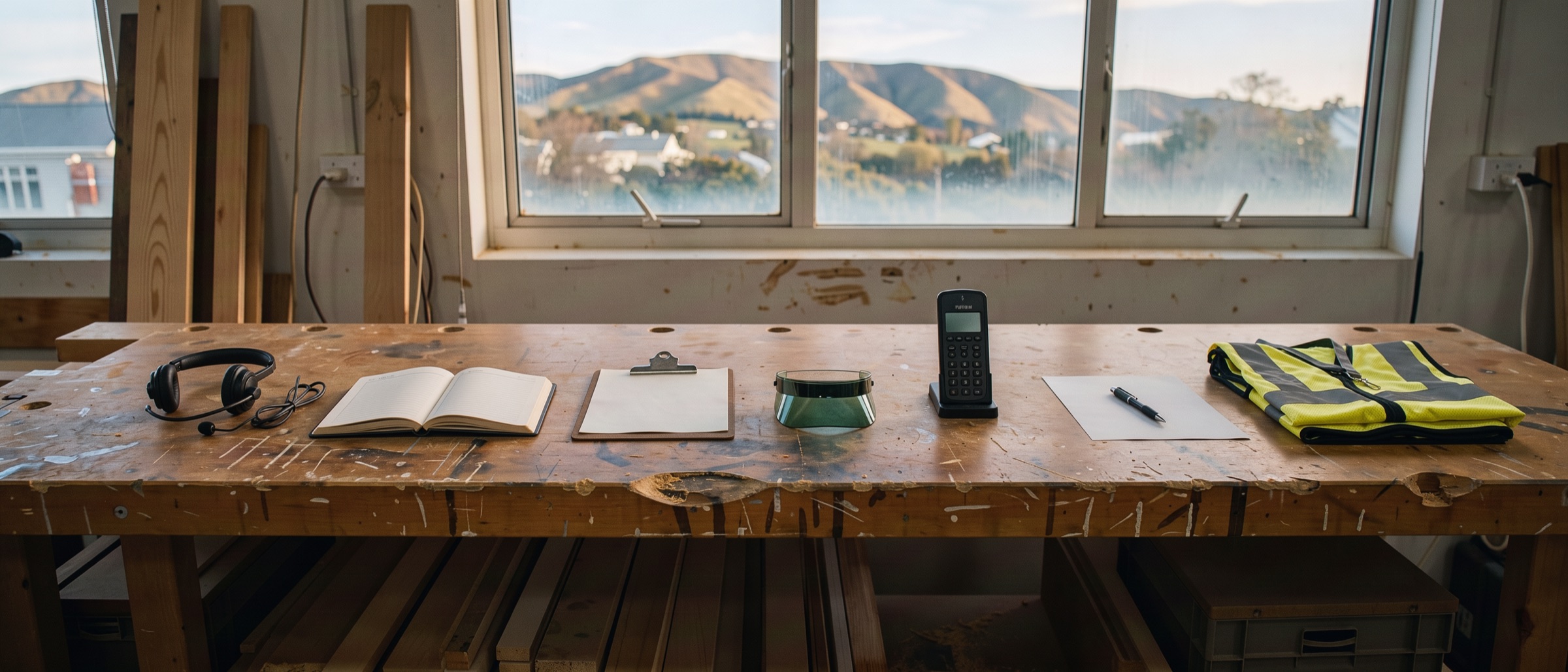
Secure meeting recording
Meetings recorded, transcribed and summarised on the spot, hosted in Sydney, with the actions drafted and waiting for a person.
Every call and every voice note becomes a record and a draft, in a Kiwi accent, with a person deciding what goes out. We handle the routine inbound queue and the voice notes from the ute, and free your team for the calls that genuinely need a human.
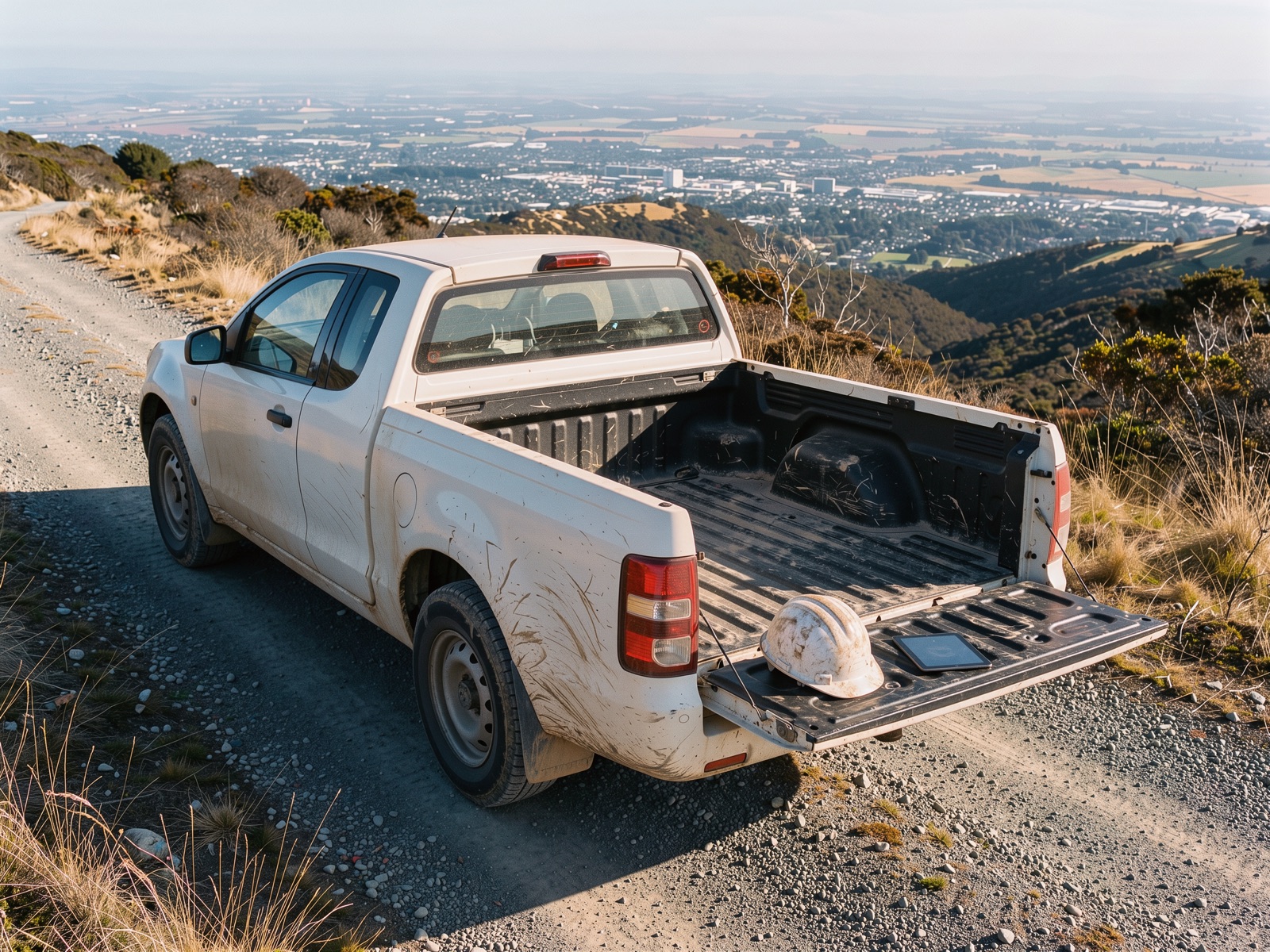
Takes the details from a call or a voice note and creates the job, the contact or the quote request in the tool you already use.
Books the appointment in Outlook or Google Calendar and drafts the confirmation for a person to send. Real-time transcription understands a NZ accent.
Every conversation is transcribed, summarised and routed into your CRM. Anything unusual is passed to your team with a one-line summary, never argued with a customer.
Nothing is sent, changed or charged until a person on your team approves it. Every step is recorded, and any step can be switched off.
Most engagements use two or three together.
Meetings recorded, transcribed and summarised on the spot, hosted in Sydney, with the actions drafted and waiting for a person.
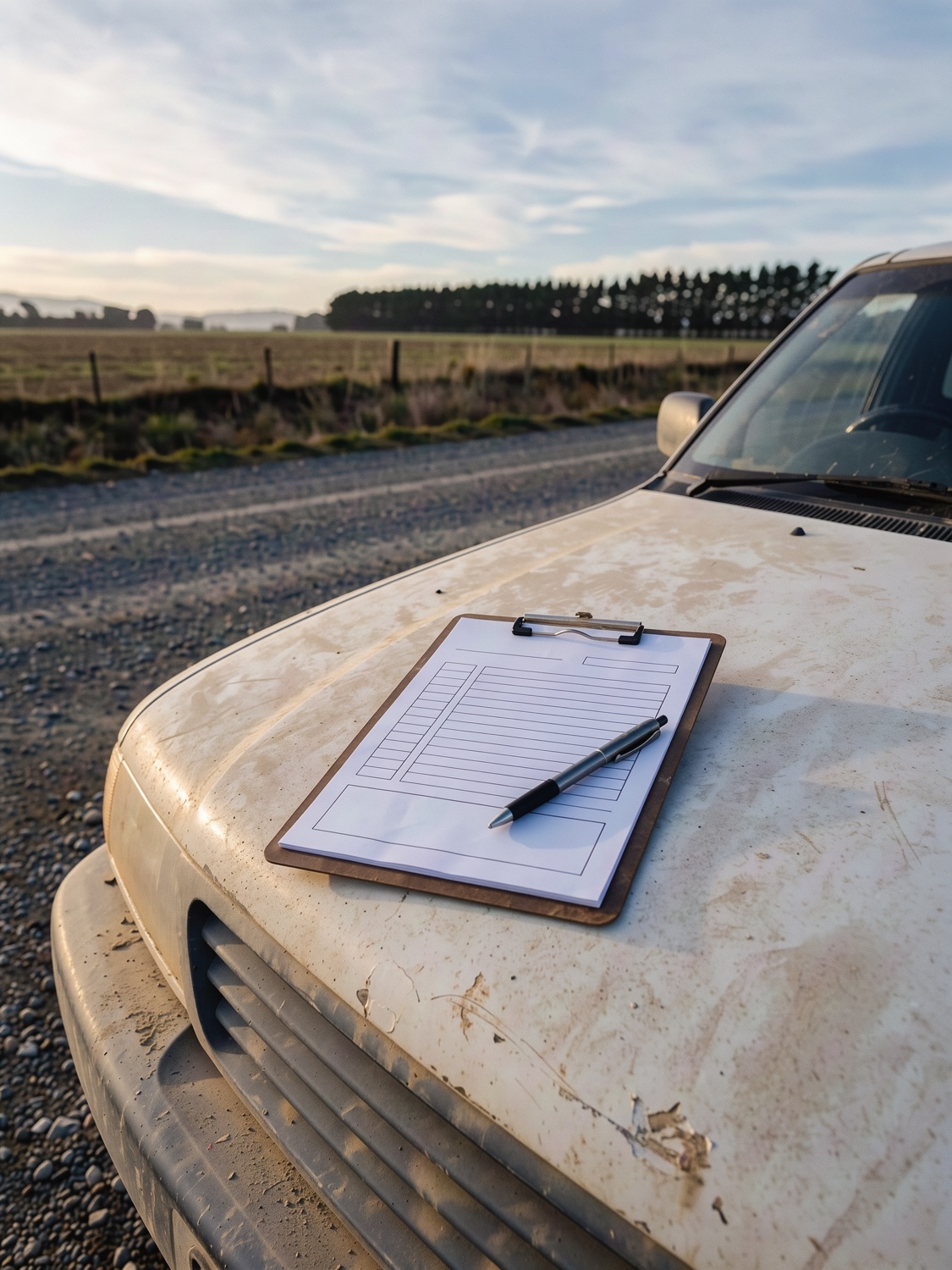
A CRM that matches your inbox without anyone retyping, with follow-ups drafted and insights surfaced.
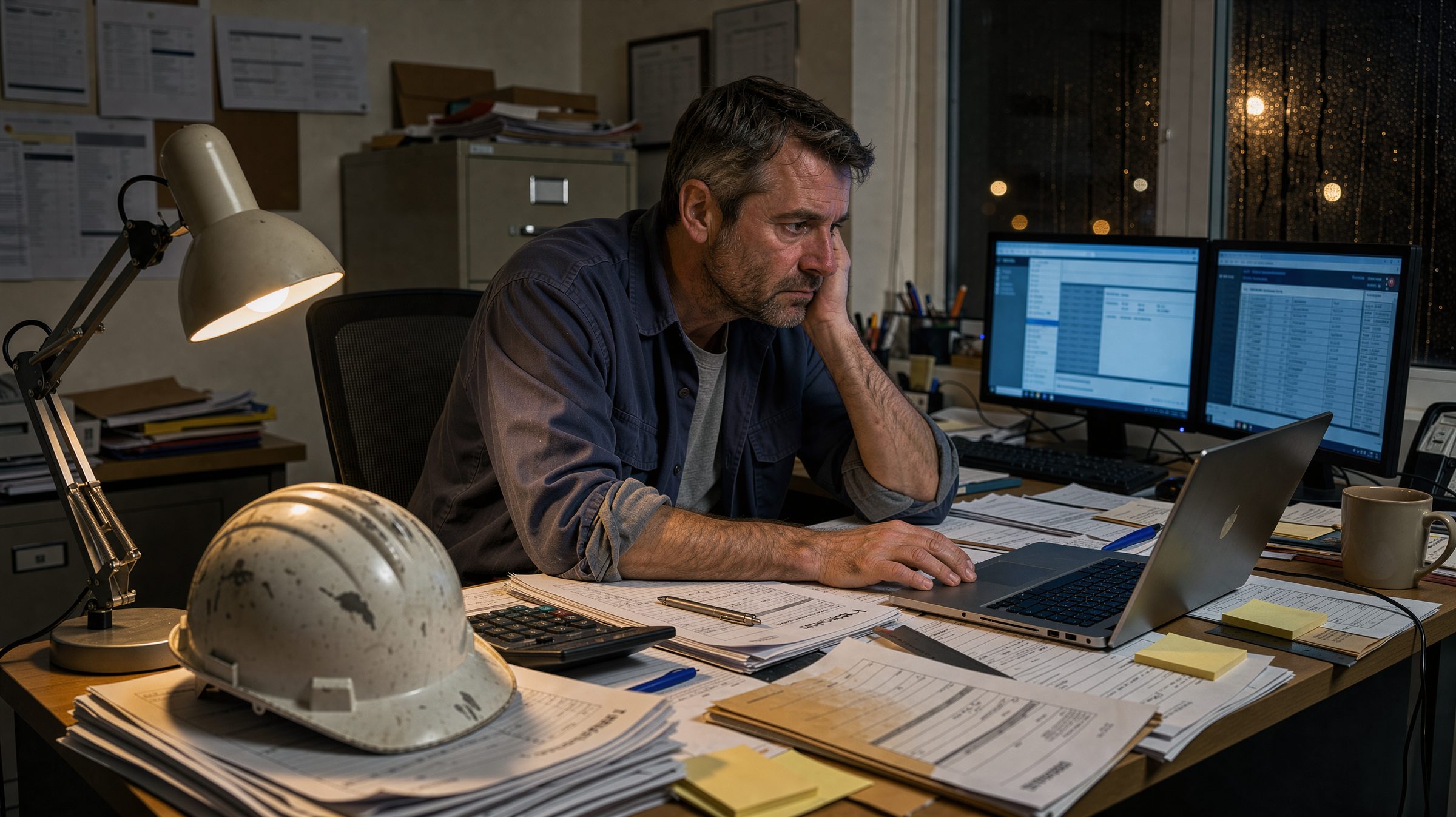
Custom web applications with the repeat work built in from day one, not bolted on afterwards.
Thirty minutes, free, no obligation. Tell us what your team retypes every day and we will tell you honestly whether this helps.